

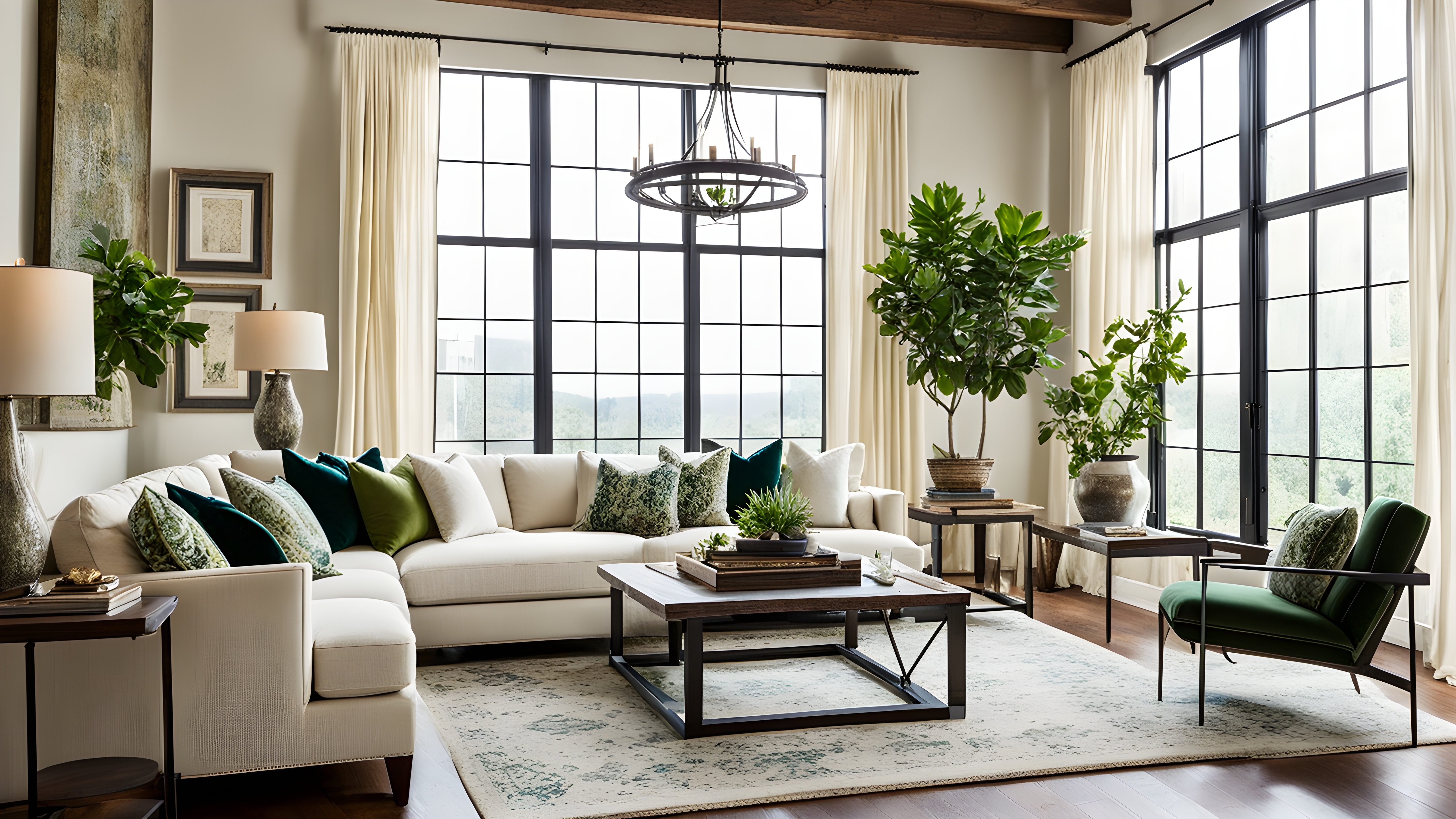
Rug layering has evolved from a practical quick-fix into one of the most popular interior design trends of the year. Placing an area rug over wall-to-wall carpet or natural hardwood floors adds immediate texture, defines living areas, and infuses personality into your home. If you want to elevate your living room, bedroom, or entryway, here is how to master the art of rug layering.
Why Layer Area Rugs?
Enhanced Comfort: Layering creates extra cushion underfoot, making living rooms and bedrooms feel extra plush.
Protects Flooring: Top rugs absorb high-traffic wear, keeping underlying carpet or hardwood pristine.
Cost-Effective Style: Instead of buying a massive, high-end custom rug to cover a huge area, purchase a large, budget-friendly natural fiber rug as a base and top it with a smaller statement accent rug.
How to Layer Rugs Over Carpet
Many homeowners assume area rugs only belong on hard surfaces, but layering over carpet is a great way to break up monochrome flooring.
1. Start with a Low-Pile Carpet Base
Layering works best over low-pile or loop carpet (like Berber). Avoid layering over thick friezes or plush shags, as top rugs will wrinkle or shift.
2. Choose the Right Base Material
Jute, sisal, or tight flat-weave rugs make perfect base layers over carpet. Their structured texture lays flat without bunching up.
3. Prevent Bunching with Rug Anchors
Always use a heavy-duty rug pad designed specifically for carpet-to-rug applications, or anchor the top rug firmly under heavy furniture like sofas, coffee tables, or bed frames.
How to Layer Rugs Over Hardwood Floors
Hardwood flooring provides a beautiful canvas, but layering rugs over wood adds rich depth and cozy warmth.
Contrast Textures
Combine smooth hardwood with a textured jute base rug, then top with a patterned vintage Persian rug or plush wool runner.
Play with Shapes
Don't limit yourself to rectangles! Layer an asymmetrical faux cowhide or round accent rug at an angle over a rectangular woven base rug to create dynamic visual interest.
Quick Design Rules for Layered Rug Success
Leave a Border: Ensure at least 8 to 12 inches of the bottom base rug shows around all edges of the top rug.
Mix Patterns Wisely: If your top rug features a bold pattern, keep the bottom rug neutral and solid.
Check Door Clearances: Ensure door swings won't catch on double-stacked rug layers near entryways or halls.
Discover Custom Rugs at Texas Designer Flooring
Ready to try the layered look in your home? Texas Designer Flooring offers an extensive collection of custom area rugs, wool runners, natural jute rugs, and plush carpeting cut and bound to your exact room measurements.
Bring comfort and style home today! Stop by our local Keller, Fort Worth, Weatherford, or Kelly Ranch showrooms to browse our rug samples, or contact Texas Designer Flooring online for a complimentary home measurement and design consultation.


