

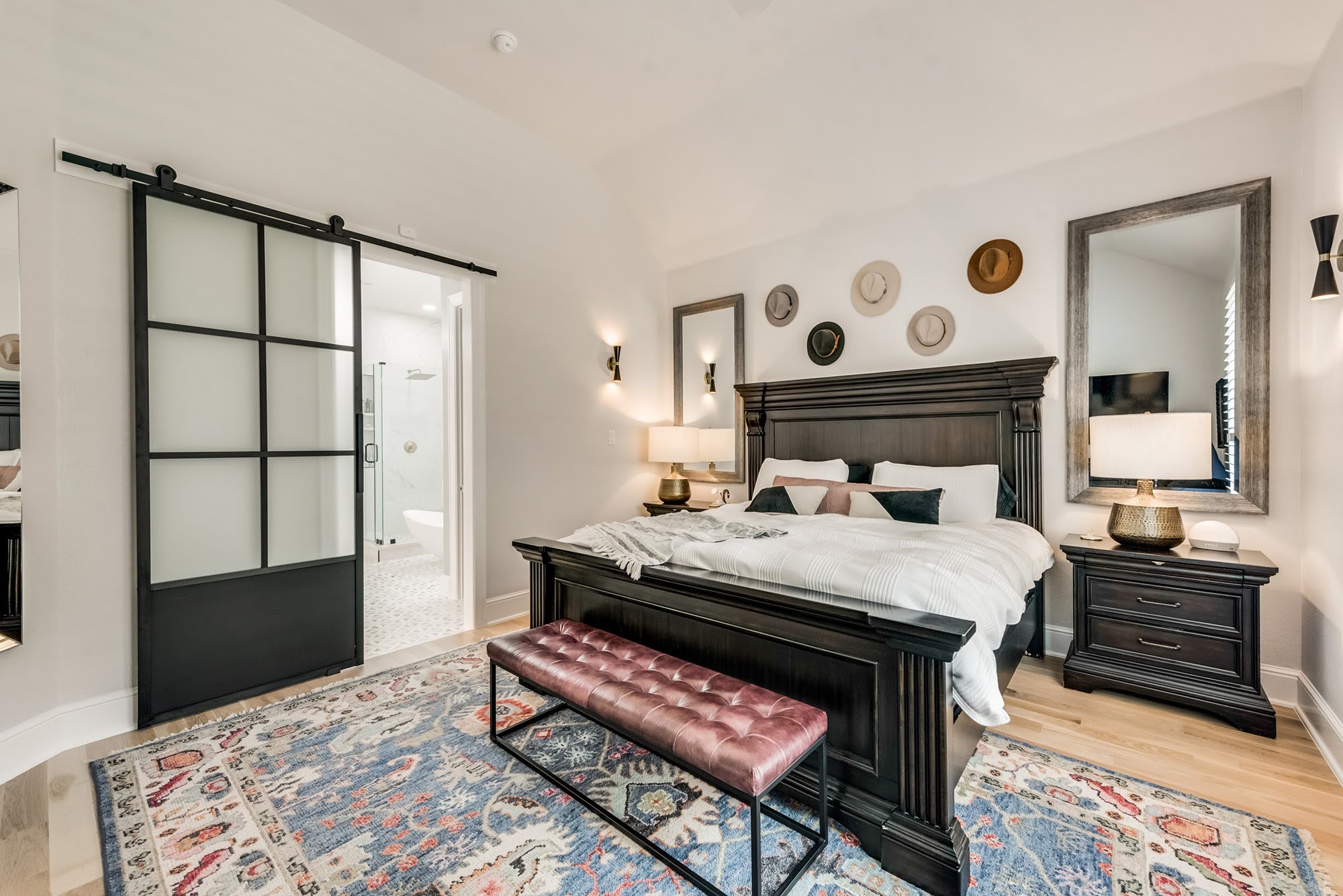
A dining room rug should do more than look good—it needs to function effortlessly during everyday meals, holidays, and gatherings. In Aledo, TX homes where dining spaces often connect to kitchens or open living areas, custom rugs offer the flexibility and precision sizing that off-the-shelf options can’t provide.
At Texas Designer Flooring, we help homeowners design custom dining room rugs that fit the table perfectly, protect surrounding floors, and stay easy to maintain in real-life conditions. Below is what to consider so your rug enhances the room instead of becoming a source of frustration.
Why Dining Rooms Benefit from Custom Rugs
Dining rooms present unique challenges. Chairs move constantly, spills are inevitable, and the rug must work with nearby flooring. Custom rugs solve these issues by allowing you to control size, shape, material, and finish.
Custom dining room rugs are ideal because they:
Fit your table and chairs precisely
Prevent chair legs from catching on edges
Protect hardwood or laminate floors
Coordinate with the rest of your home’s flooring
This level of control is especially valuable in Aledo homes with open layouts and mixed flooring materials.
Proper Rug Sizing: The Most Important Decision
The most common mistake homeowners make is choosing a rug that’s too small. In dining rooms, proper sizing is about chair movement—not just table dimensions.
The Golden Rule for Dining Room Rugs
Your rug should extend at least 24 inches beyond all sides of the table. This ensures:
Chairs remain fully on the rug when pulled out
Chair legs don’t snag on edges
The dining area feels anchored and intentional
For larger tables or frequent entertaining, extending closer to 30 inches provides even more comfort and flexibility.
Rectangular vs. Round Rugs
Rectangular tables pair best with rectangular rugs that mirror the table shape.
Round tables work best with round rugs to maintain symmetry and balance.
Custom sizing eliminates awkward gaps or undersized rugs that disrupt the room’s flow.
Managing Spill Zones and High-Risk Areas
Dining rooms are spill-prone by nature, especially in households with kids or frequent guests. Choosing the right rug materials and construction helps minimize stress when accidents happen.
Best Rug Materials for Dining Rooms
For Aledo dining rooms, we often recommend:
Low-pile synthetic fibers for stain resistance
Blended fibers that clean easily and hold shape
Tightly woven constructions that resist food debris
Avoid high-pile or shag styles in dining spaces, as they trap crumbs and are harder to clean.
Color and Pattern Strategies That Hide Wear
Patterned rugs or subtle variations help disguise:
Minor stains
Chair scuffs
Everyday wear from foot traffic
Neutral tones with texture often perform better long-term than solid light colors.
You can explore customizable options when you browse area rugs designed for both performance and style.
Easy Cleaning Starts with the Right Construction
Dining room rugs should support quick cleanup without special treatments.
What to Look For
Low pile height for easy vacuuming
Durable backing that maintains shape
Fiber treatments designed to resist staining
Spot cleaning should be simple, and routine vacuuming should remove crumbs without excessive effort.
The Role of Rug Pads
A quality rug pad is essential under dining room rugs. It:
Prevents slipping as chairs move
Protects the floor underneath
Adds subtle cushioning without bulk
Rug pads should be chosen based on the flooring below, whether hardwood, laminate, or luxury vinyl.
Coordinating Dining Room Rugs with Flooring
In many Aledo homes, dining rooms sit on hardwood or connect visually to adjacent spaces. A well-chosen rug helps define the dining area without clashing with surrounding finishes.
Dining room rugs often pair well with:
Wide-plank hardwood floors
Neutral luxury vinyl planks
Adjacent tile or laminate in kitchens
If your dining room sits over wood floors, choosing a rug that complements tone and grain direction helps the space feel cohesive. Our team often coordinates dining rugs with hardwood flooring for a balanced look.
Shape, Border, and Binding Options
Custom rugs allow you to refine details that standard rugs don’t offer.
Border and Binding Choices
Self-bound edges create a clean, minimal look
Fabric or contrast binding adds definition
Binding color can tie into chair upholstery or trim
These details elevate the rug from functional to truly custom.
When Custom Rugs Make the Biggest Difference
Custom dining room rugs are especially valuable when:
Your table size doesn’t match standard rug dimensions
Chairs are heavy or frequently moved
The dining area is part of an open floor plan
You want a tailored, built-in look
If you’re unsure about sizing or material selection, it helps to request a free estimate to review options in the context of your actual space.
Designing for Real Life in Aledo Homes
Dining rooms aren’t just for special occasions. They’re used daily—for meals, homework, and gatherings. A well-designed custom rug supports all of these activities without constant upkeep or worry.
By focusing on proper sizing, durable materials, and easy-care finishes, you can enjoy both style and practicality.
Custom Rug Design Services in Aledo, TX
At Texas Designer Flooring, we help Aledo homeowners design custom dining room rugs that fit their tables, match their flooring, and hold up to real life. From precise measurements to material selection and finishing details, our team ensures your rug performs as beautifully as it looks.
If you’re planning a dining room update or need help selecting the right custom rug, contact Texas Designer Flooring to schedule a consultation and explore custom rug solutions tailored to your Aledo home.


